

A used aluminium ingot casting line can be a bargain or a trap. The difference comes down to six things: the melting furnace, the casting machine, the moulds and cooling system, the automation and controls, the documentation and spare parts, and the test run. If you check all six before you pay, you can avoid most of the risk. If you skip even one, you may inherit someone else’s problem.
I have spent 25 years working with aluminium melting and casting equipment in China, Southeast Asia, India, the UK, Europe, and North America. I have helped foundries buy used ingot lines and helped them walk away from bad ones. Here is how I inspect a used line.
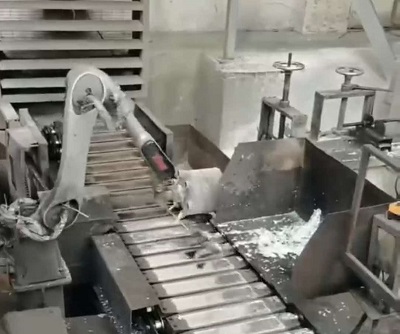
Aluminium Alloy Ingot Casting Line
Start with the Melting Furnace
The furnace is the heart of the line. If it is worn out, the rest does not matter.
Check the refractory lining first. Look for cracks wider than 3 mm, metal staining, and hot spots on the shell. A lining replacement can cost 20–40% of the furnace price. If the lining is near the end of its life, factor that into your offer.
Check the burner or heating elements. For a gas furnace, inspect the burner nozzle, diffuser, and gas train. Soot buildup means poor combustion. A corroded gas valve is a safety risk. For an electric furnace, measure the resistance of each heating element. Compare with the manufacturer’s specification.
Check the control system. Old PLCs may be obsolete. Can you get spare parts? Is the software still supported? If the controller is older than 10 years, assume you will replace it within two years.
Check the furnace shell. Look for rust, warping, and weld cracks. A warped shell affects lining life. A cracked shell is a structural problem.
Inspect the Casting Machine
The casting machine determines ingot quality and production rate. Look at the mould conveyor, the drive system, and the mould condition.
Mould condition: Worn moulds produce rough surfaces, inconsistent weight, and poor shape. Check the inner surfaces for scratches, deposits, and erosion. If the moulds are worn, price a replacement set before you buy.
Conveyor and drive: Check the chain, rollers, and sprockets for wear. Listen for unusual noises during operation. A worn drive system causes vibration and misalignment.
Cooling system: This is where many used lines fail. Check the water channels, spray nozzles, and pump. Look for leaks, corrosion, and blockages. A poor cooling system causes surface defects and internal porosity.
Cutting and stacking: Check the saw, shear, or break-off system. Check the stacker and strapping equipment. If it is automated, test the sequence. If it is manual, check for ergonomic issues.
Check the Moulds and Cooling System
Moulds and cooling are the two most neglected parts of a used ingot line. They are also the most expensive to replace.
| Component | What to Check | Typical Replacement Cost |
|---|---|---|
| Moulds | Cracks, erosion, surface finish | $2,000–$8,000 per set |
| Cooling water system | Leaks, corrosion, pump condition | $3,000–$10,000 |
| Spray nozzles | Blockages, wear, pattern | $500–$2,000 |
| Conveyor chain | Wear, elongation, alignment | $2,000–$6,000 |
| Drive motor | Noise, vibration, current draw | $1,500–$5,000 |
If the cooling system is corroded or the moulds are worn, you are buying a project, not a production line. Price accordingly.
Evaluate Automation and Controls
A used line with modern controls is worth more than one with manual operation. But old automation can be a liability.
Check the PLC brand and model. Is it still supported? Can you get spare parts? Check the HMI. Is it readable? Does it log data? Check the safety interlocks. Do they work?
If the line has no data logging, you cannot trace ingot quality. For export markets and automotive customers, traceability is becoming mandatory.
I have written about how to evaluate the reliability of Chinese aluminium furnace manufacturers. The same principles apply to used equipment dealers.
Ask for Documentation and Spare Parts
A used line without documentation is a gamble. Ask for:
- Original manuals and drawings
- Maintenance records
- Electrical schematics
- PLC program backup
- Spare parts list
If the seller cannot provide these, assume the worst. You will spend weeks reverse-engineering the machine.
Ask what spare parts are included. Critical parts like moulds, thermocouples, and burner nozzles should be available. If not, price them into your offer.
Run a Test — Not Just a Visual Inspection
A visual inspection is not enough. You must see the line run.
Run the line for at least four hours. Watch the following:
- Metal temperature at the tundish
- Casting speed
- Ingot surface quality
- Ingot weight consistency
- Cooling water temperature
- Noise and vibration
- Alarm events
If the seller refuses a test run, walk away. That is your answer.
I once inspected a used line in Vietnam. The seller said it was “in perfect condition.” We ran it for two hours. The cooling system leaked. The moulds were worn. The stacker jammed twice. We negotiated a 40% price reduction and budgeted for repairs. The line ran for six years after refurbishment.
A Real Case from Malaysia
In 2022, a recycling plant in Johor bought a used ingot casting line from a closed foundry in Europe. The price was $85,000 — less than half of new.
They asked me to inspect it before shipment. I found three problems:
The cooling water channels were corroded. Replacement cost: $6,000.
The moulds were worn. Replacement cost: $5,500.
The PLC was obsolete. Replacement cost: $4,000.
We negotiated a $15,000 reduction. The seller agreed to include a spare set of moulds.
After refurbishment, the line produced 6 kg ingots at 3.2 metres per minute. Metal recovery was 91%. The plant manager told me, “If we had bought it without inspection, we would have lost months.”
A Simple Used Line Inspection Checklist
Inspect furnace lining for cracks, metal staining, and hot spots.
Check burner or heating elements. Measure resistance if electric.
Test the control system. Check PLC support and spare parts.
Inspect moulds for wear. Price a replacement set.
Check cooling system for leaks, corrosion, and pump condition.
Inspect conveyor, drive, cutting, and stacking systems.
Ask for manuals, drawings, maintenance records, and PLC backup.
Run the line for at least four hours. Watch temperature, speed, and quality.
Calculate total cost including refurbishment and spare parts.
Negotiate based on inspection findings, not asking price.
Final Thoughts
A used aluminium ingot casting line can be a smart investment. But only if you inspect it properly. The furnace, the casting machine, the moulds, the cooling system, the controls, and the documentation all matter.
In my 25 years, I have seen buyers get bargains and buyers get burned. The difference is always the inspection. Do not skip it. Do not rush it. And do not buy without a test run.
Internal links: How to Choose a Secondary Aluminium Melting Furnace for Ingot Production, Case Study – How a Chinese Expert Optimized an Aluminium Ingot Casting Line in Malaysia
About the Author: Hu Shenyue is a veteran aluminium melting furnace expert with 25 years of hands-on experience in China, Southeast Asia, India, the UK, and Europe. He writes practical, experience-based content on furnace selection, maintenance, and optimisation at SmeltPro.