A tower melting furnace is not just a taller version of a reverb furnace. It is a different melting philosophy. The tower uses counter-current heat exchange: scrap descends from the top, hot exhaust gas rises from the bottom, and they...
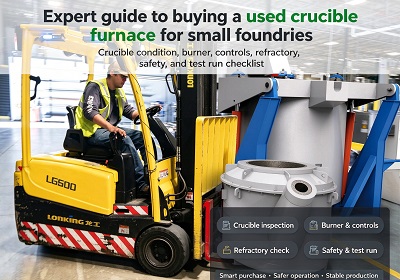
A used crucible furnace can be the best deal in the foundry industry — or the worst. I have spent 25 years working with aluminium melting furnaces, and I have seen both. A small jobbing foundry in India bought a...
Dross is not just waste. It is metal you paid for and did not recover. Every kilogram of dross that leaves your furnace contains 20–50% aluminium. On a die casting line melting 5 tonnes per day, a 3% dross rate...
Choosing an aerospace aluminium melting furnace is not like choosing a commercial furnace. The requirements are different. The tolerances are tighter. The consequences of failure are higher. And the certification burden is heavier. I have spent 25 years working with...
holding furnace is the heart of your die casting line. It receives molten metal from the melting furnace, maintains it at the correct temperature, and delivers it to the shot sleeve — shot after shot, shift after shift. If the...
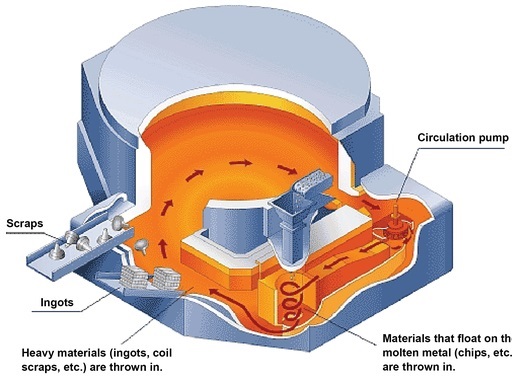
Most side-well furnace articles tell you the same thing: high efficiency, low burn loss, excellent for thin scrap. That is true. But they leave out the part that actually matters when you are standing in front of a purchase order...
The choice between a crucible furnace and a reverberatory furnace is not about which one is “better.” It is about which one fits your production reality. I have spent 25 years watching foundries make this decision — and more often...
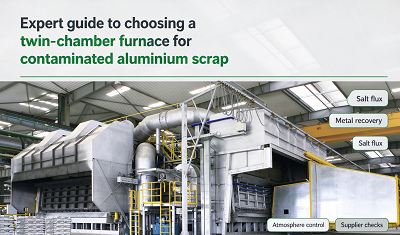
Contaminated scrap is the hardest material to melt profitably. It is dirty, mixed, coated, and often wet. A single-chamber reverb furnace will choke on it — losing metal to oxidation, generating excessive dross, and struggling to maintain temperature. A rotary...
A used aluminium ingot casting line can be a bargain or a trap. The difference comes down to six things: the melting furnace, the casting machine, the moulds and cooling system, the automation and controls, the documentation and spare parts,...
Selecting a rotary melting furnace for aluminium scrap processing comes down to six things: your feedstock, the furnace capacity, the salt flux system, the energy source, the emissions controls, and the supplier’s service capability. Get these right, and you have...

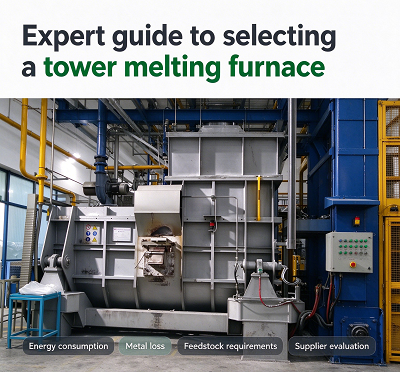 How to Select a Tower Melting...