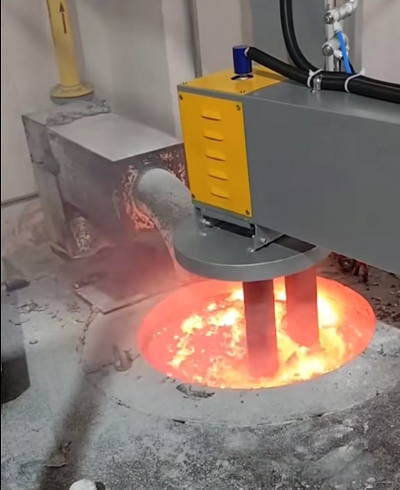
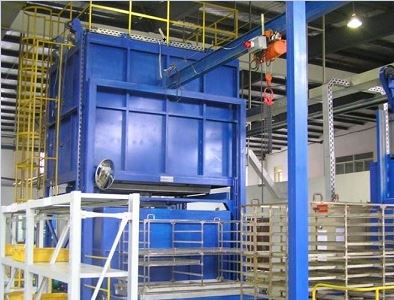
Energy is the largest operating cost in secondary aluminium melting. It is also the one most operators ignore until the gas bill arrives. I have spent 25 years walking into foundries that are burning 20–40% more energy than they should,...
Metal recovery in aluminium scrap melting is not one number. It is the result of everything you do — or fail to do — from the moment scrap enters the furnace until the last ingot is stacked. I have spent...
Charging is the first thing you do with scrap. It is also the first place you lose metal. I have spent 25 years watching operators dump scrap into furnaces without thinking about what happens next. The result is always the...
Consistent melt temperature in a holding furnace comes down to three things: correct thermocouple placement, proper heating zone control, and stable metal level. Get these right, and your die casting machine receives the same metal temperature shot after shot. Get...
Aerospace-grade aluminium is not just cleaner than commercial-grade. It is a different class of material. The hydrogen content must be below 0.06 ml/100g. The inclusion count must be measured in parts per billion, not parts per million. And every melt...
Metal loss in secondary aluminium melting is not a single problem. It is a chain of losses — oxidation at the melt surface, metal trapped in dross, salt slag carryover, and furnace atmosphere reactions. Each link in the chain has...
Setting up a die casting furnace is not about turning a dial to a number on a chart. It is about matching the furnace to the alloy, the die, the machine, and the part. Get it right, and you produce...
Gas porosity is the most common internal defect in aluminium die casting. It shows up as round, smooth cavities on X-ray. It causes leaks in structural parts. It ruins machined surfaces. And it costs foundries millions in scrap every year....
A380 and ADC12 are the two most common aluminium die casting alloys in the world. They look similar on a spec sheet. They behave differently in a furnace. If you run both alloys on the same line — as many...
Rotary furnaces are the workhorses of aluminium recycling. They handle contaminated scrap, dross, and low-grade material that other furnaces cannot process economically. But they are also energy-intensive. In my 25 years, I have seen rotary furnaces consuming 900–1,200 kWh per...

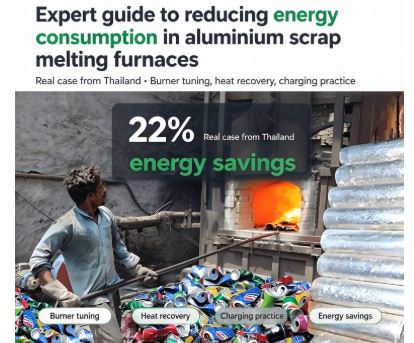 How to Reduce Energy Consumption in...