

A furnace that will not reach setpoint temperature is not necessarily broken. It is telling you that heat is being lost faster than it is being added. The cause is usually one of six things: a damaged lining, leaky door seals, a misadjusted burner, low gas pressure, a faulty thermocouple, or a charge that is too large for the furnace. Work through them in that order. Most problems are found in the first two.
I have traced this problem in foundries across China, Southeast Asia, India, the UK, Europe, and North America. Here is how I diagnose it.
First, Confirm What “Not Reaching Setpoint” Means
Not all heating failures are the same. Define the symptom before you touch anything.
Furnace heats slowly. It reaches 600°C but takes hours longer than normal.
Furnace plateaus. It stops rising at a certain temperature, well below setpoint.
Furnace never heats at all. The burner lights, but the temperature does not rise.
Temperature fluctuates. It rises, then falls, then rises again.
One zone fails. In a multi-zone furnace, one area stays cold.
Each points to a different cause. A furnace that plateaus at 650°C is different from one that never heats.
Cause 1: Heat Loss Through Damaged Lining
This is the most common cause I see in older furnaces. A cracked, thin, or spalled refractory lining lets heat escape through the shell. The burner runs constantly, but the furnace cannot hold temperature.
Symptoms:
Furnace shell feels unusually hot.
Melt time increases.
Energy consumption rises.
The furnace reaches 700°C but never 750°C.
Diagnosis: Use a thermal camera. Look for hot spots on the shell. Inspect the lining visually for cracks, spalling, or thin areas. Tap the lining with a hammer. A dull sound means the refractory is delaminated.
Fix: Repair or replace the damaged lining. A small patch can be done in a day. A full reline takes longer but restores efficiency.
I once visited a foundry in India that had a 15-year-old reverberatory furnace. The setpoint was 750°C. It would only reach 690°C. A thermal scan showed hot spots along the sidewall. The lining was thin. We replaced it. The furnace reached 760°C within a week. Energy consumption dropped by 18%.
Cause 2: Leaky Door Seals or Openings
Every time a furnace door opens, heat escapes. If the seals are worn, heat leaks even when the door is closed. Operators may also leave doors open longer than necessary.
Symptoms:
You feel heat radiating from the door area.
The door seal looks flattened or cracked.
The furnace heats slowly and loses temperature quickly.
Diagnosis: Run your hand around the door edge (carefully). If you feel hot air, the seal is leaking. Check for gaps with a feeler gauge. Look for warped doors or misaligned hinges.
Fix: Replace the door seals. Adjust hinges and latches. Train operators to keep doors closed except when charging. A simple seal replacement can restore lost temperature.
I once saw a foundry in Vietnam that could not reach 720°C. The door seal was worn flat. The replacement cost $200. The furnace reached 740°C the next day.
Cause 3: Burner Air-Fuel Ratio Is Wrong
In a gas furnace, the burner must deliver the right mixture of gas and air. If the mixture is too lean, the flame is weak. If it is too rich, the flame is lazy and produces soot. Both reduce heat output.
Symptoms:
Flame is yellow or orange, not blue.
Soot builds up around the burner.
Flue gas temperature is low.
Furnace heats slowly.
Diagnosis: Use a flue gas analyser. Measure O₂ and CO. If O₂ is above 6%, the mixture is too lean. If CO is above 100 ppm, the mixture is too rich.
Fix: Adjust the air damper until O₂ is between 2% and 4%, and CO is below 50 ppm. Clean the burner nozzle while you are at it.
I remember a foundry in Malaysia that could not reach 730°C. The burner flame was yellow. The air damper had slipped. We adjusted it and cleaned the nozzle. The furnace reached 750°C within an hour. The fix cost nothing.
Cause 4: Low Gas Pressure or Gas Quality
Gas pressure that is too low means less heat input. Gas quality — the calorific value — also matters. If your supplier changes the mix, your burner needs re-tuning.
Symptoms:
- Flame size is smaller than normal.
- Gas pressure gauge reads below the specified range.
- Furnace heats slowly, especially during peak demand hours.
Diagnosis: Install a pressure gauge near the burner. Log pressure every hour for a few days. If it varies by more than 10%, call your gas supplier.
Fix: If pressure is unstable, ask the supplier to investigate. You may need a buffer tank or a pressure regulator. If gas quality has changed, re-tune the burner.
A die casting plant in Thailand had random heating problems every afternoon. The supplier was diverting gas to another customer. A buffer tank solved it.
Cause 5: Faulty Thermocouple or Controller
If the thermocouple reads high, the controller thinks the furnace is hotter than it is. It reduces heat input. The furnace never reaches setpoint.
Symptoms:
- Controller display shows setpoint, but the furnace feels cold.
- Actual melt temperature is lower than the display.
- The furnace heats, then shuts off before reaching setpoint.
Diagnosis: Use a handheld pyrometer. Measure the actual furnace temperature near the thermocouple. Compare it with the controller reading. If they differ by more than 10°C, the thermocouple is suspect.
Fix: Check the thermocouple type. Check the wiring for loose connections. Calibrate or replace the thermocouple. Verify the controller is configured for the correct sensor type.
I once visited a foundry in the UK that could not reach 700°C. The controller showed 730°C. The thermocouple was type K, but the controller was set for type S. A two-minute parameter change solved it.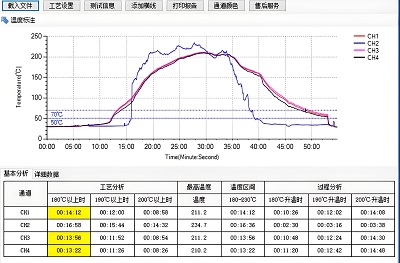
Cause 6: Charge Is Too Large or Too Wet
If you put too much metal in the furnace, the burner cannot melt it fast enough. The furnace never reaches setpoint because it is constantly absorbing heat. Wet scrap makes it worse. Moisture absorbs heat and turns to steam.
Symptoms:
- Furnace heats slowly.
- Melt time increases.
- The burner runs constantly.
- You see steam or hear popping sounds.
Diagnosis: Check the charge weight against the furnace capacity. Check the scrap for moisture. Review the charging practice with operators.
Fix: Reduce the charge size. Pre-dry scrap before charging. Match melting to casting. Do not overload the furnace.
A foundry in Indonesia had a furnace that would not reach 720°C. The operator was charging 1.5 tonnes into a 1-tonne furnace. We reduced the charge to 900 kg. The furnace reached 740°C in half the time.
A Real Case from the UK
In 2021, a foundry in Birmingham had a 2-tonne gas-fired reverberatory furnace. It would not reach 730°C. It plateaued at 680°C.
We checked the burner. The flame was strong. Gas pressure was stable. The thermocouple was accurate. The lining looked good. Then we checked the door seals. They were worn flat. We replaced them. The furnace reached 740°C the next day. The cost was £300. The annual saving in gas was over £12,000.
A Simple Troubleshooting Checklist
When your furnace will not reach setpoint, ask:
- Is the lining damaged? Use a thermal camera.
- Are door seals leaking? Feel for hot air.
- Is the burner air-fuel ratio correct? Check O₂ and CO.
- Is gas pressure stable? Log it for a few days.
- Is the thermocouple accurate? Check with a pyrometer.
- Is the charge too large or too wet?
- Is the furnace capacity sufficient for your production?
- Are operators following the correct procedure?
Work through these in order. Most problems are found in steps 1–3.
Preventing Setpoint Problems
The best fix is prevention.
Inspect the lining every month. Repair small cracks before they grow.
Check door seals weekly. Replace when worn.
Tune the burner every three months. Use a flue gas analyser.
Log gas pressure daily. Look for trends.
Calibrate thermocouples monthly.
Train operators on correct charging.
Keep a maintenance log.
A foundry in India started a monthly lining inspection. Their furnace reached setpoint consistently for five years. The cost was a few hours of maintenance time.
When to Call a Professional
Some checks are safe for maintenance staff: reading a pyrometer, cleaning a burner nozzle, checking a thermocouple. Others require a qualified engineer: gas train repairs, refractory work, control system calibration. If you are not sure, call someone who knows.
Final Thoughts
A furnace that will not reach setpoint is not a mystery. It is a symptom. Find the cause, fix it, and the temperature will return.
In my experience, 80% of setpoint problems come from three things: a damaged lining, leaky door seals, and a misadjusted burner. Check those first. Then look deeper.
And remember: the best troubleshooting is prevention. A good maintenance checklist — like the one I’ve written about — will prevent most of these problems before they happen.
Internal links: Furnace Maintenance Checklist, How to Diagnose and Repair Furnace Refractory Cracking, How to Optimize Burner Efficiency in Gas-Fired Aluminium Furnaces
About the Author: Hu Shenyue is a veteran aluminium melting furnace expert with 25 years of hands-on experience in China, Southeast Asia, India, the UK, and Europe. He writes practical, experience-based content on furnace selection, maintenance, and optimisation at SmeltPro.