

A die casting furnace that will not hold setpoint temperature is a serious problem. It affects casting quality, cycle time, and scrap rate. In my 25 years, I have traced this issue in foundries across China, Southeast Asia, India, the UK, Europe, and North America. The cause is almost always one of seven things: a faulty thermocouple, a failing heating element or burner, a damaged lid seal, a low metal level, incorrect controller settings, unstable power or gas supply, or a worn refractory lining.
Here is how I diagnose it, step by step.
First, Confirm What “Not Maintaining Setpoint” Means
Before you touch anything, define the symptom.
Temperature drops during casting. The furnace holds temperature when idle, but falls when the die is cycling.
Temperature fluctuates. It swings by ±15°C or more around the setpoint.
Temperature slowly declines. It starts at setpoint but drifts down over several hours.
One zone fails. In a multi-zone furnace, one area stays cold.
Temperature overshoots, then undershoots. The controller is hunting.
Each points to a different cause. A furnace that drops during casting is different from one that drifts down overnight.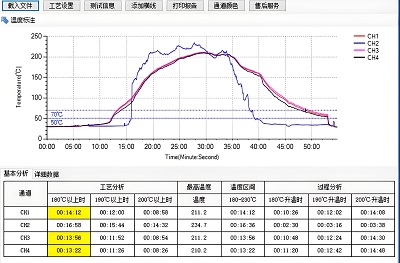
Cause 1: Thermocouple or Temperature Sensor Fault
This is the most common cause I see. If the thermocouple reads high, the controller thinks the furnace is hotter than it is. It reduces heat input. The temperature drops. If the thermocouple reads low, the furnace overheats. Both cause instability.
Symptoms:
Controller display does not match actual metal temperature.
Temperature reading jumps around.
The furnace holds temperature when idle but drops when the die opens.
Diagnosis: Use a handheld pyrometer. Measure the actual metal temperature near the thermocouple. Compare it with the controller reading. If they differ by more than 10°C, the thermocouple is suspect. Check the wiring for loose connections. Check the thermocouple type. A type K sensor with a type S controller will read wrong.
Fix: Calibrate or replace the thermocouple. Verify the controller is configured for the correct sensor type. This is a five-minute fix that can save thousands.
I once visited a die casting plant in Malaysia where the furnace dropped 20°C every time the die opened. The thermocouple was new. The controller was fine. The problem was a loose connection in the terminal block. When the furnace vibrated during casting, the connection lost signal. The controller defaulted to full heat, then cut back. A screwdriver fixed it.
Cause 2: Failing Heating Elements or Burner
In an electric die casting furnace, the heating elements do the work. In a gas-fired furnace, the burner does. If either is failing, the furnace cannot maintain temperature under load.
Symptoms:
Furnace holds temperature when idle but drops during casting.
One zone is cooler than others.
The main breaker trips.
Flame looks weak or yellow.
Diagnosis: For electric furnaces, measure the resistance of each heating element. Compare with the manufacturer’s specification. A reading of infinity means the element is broken. A reading much lower than spec means it is shorted. For gas furnaces, check the flame. Use a flue gas analyser to measure O₂ and CO.
Fix: Replace failed heating elements. Clean or replace the burner nozzle. Check the gas valve and air damper. Ensure the burner is tuned correctly.
I worked with a foundry in the UK that had a die casting furnace that dropped temperature during high-cycle production. The heating elements tested fine. The problem was a sagging element that touched the furnace shell when hot. The insulation had failed. Replacing the element fixed it.
Cause 3: Damaged Lid Seal or Openings
Die casting furnaces usually have a lid or cover to hold heat. If the seal is worn, heat escapes. The furnace cannot maintain temperature, especially when the die is open.
Symptoms:
You feel heat radiating from the lid area.
The lid seal looks flattened or cracked.
The furnace heats slowly and loses temperature quickly.
Energy consumption rises.
Diagnosis: Run your hand around the lid edge (carefully). If you feel hot air, the seal is leaking. Check for gaps with a feeler gauge. Look for warped lids or misaligned hinges.
Fix: Replace the lid seal. Adjust hinges and latches. Train operators to keep the lid closed except when charging or skimming. A simple seal replacement can restore lost temperature.
I once saw a foundry in Vietnam that could not hold 720°C. The lid seal was worn flat. The replacement cost $150. The furnace held 730°C the next day.
Cause 4: Low Metal Level
The metal level in a die casting furnace affects temperature stability. If the level is too low, the thermocouple may not be immersed properly. The controller reads the air temperature, not the metal temperature. It cycles the heat on and off. The metal temperature fluctuates.
Symptoms:
Temperature swings widely.
The furnace holds temperature when full but not when low.
Casting quality varies.
Diagnosis: Check the metal level. Is the thermocouple covered? Is the level within the recommended range? Compare with the furnace manual.
Fix: Maintain the correct metal level. Add ingot or scrap as needed. Do not let the level drop below the thermocouple. For automatic furnaces, check the level sensor.
A foundry in India had a furnace that would not hold temperature after lunch. The operator was not adding metal. The level dropped. The thermocouple was exposed. We set a minimum level alarm. The problem stopped.
Cause 5: Incorrect Controller Settings
The controller uses PID settings to manage temperature. If the settings are wrong, the furnace will overshoot and undershoot. It will never hold steady.
Symptoms:
Temperature oscillates around setpoint.
The furnace overshoots, then drops below setpoint.
The controller output is erratic.
Diagnosis: Check the PID settings. Compare with the manufacturer’s recommendation. If the furnace was recently tuned or the controller replaced, the settings may be wrong.
Fix: Re-tune the PID. Use the auto-tune function if available. If not, adjust manually: increase proportional band if overshooting, decrease if slow. This takes patience but pays off.
I once visited a foundry in Thailand that had a new controller. The technician left the factory default settings. The furnace cycled wildly. We ran auto-tune. The temperature stabilised within ±3°C.
Cause 6: Unstable Power or Gas Supply
Voltage fluctuations affect electric furnaces. Gas pressure fluctuations affect gas furnaces. Both cause temperature instability.
Symptoms:
Temperature drops during peak demand hours.
The furnace works fine at night but not during the day.
Other equipment on the same line has problems.
Diagnosis: Install a voltage logger or gas pressure gauge. Log for a week. Check for patterns. If voltage drops below 90% of nominal, the heating elements cannot deliver full power. If gas pressure varies by more than 10%, the burner output changes.
Fix: Install a voltage stabiliser or a buffer tank. Talk to your utility supplier. For gas, a pressure regulator may help.
A die casting plant in Indonesia had random temperature drops every afternoon. The voltage was dropping because a nearby factory was starting its shifts. A stabiliser solved it.
Cause 7: Worn Refractory Lining
A cracked or thin lining lets heat escape. The furnace cannot maintain temperature because it is losing heat faster than it is being added.
Symptoms:
Furnace shell feels unusually hot.
Energy consumption rises.
The furnace reaches setpoint when idle but drops under load.
Diagnosis: Use a thermal camera. Look for hot spots on the shell. Inspect the lining visually for cracks, spalling, or thin areas.
Fix: Repair or replace the damaged lining. A small patch can be done in a day. A full reline takes longer but restores efficiency.
I once saw a foundry in the UK that had a 10-year-old die casting furnace. It would not hold 700°C under load. A thermal scan showed hot spots along the sidewall. The lining was thin. We replaced it. The furnace held 720°C with ease. Gas consumption dropped by 15%.
A Real Case from North America
In 2022, a die casting plant in Ohio, USA, had a gas-fired aluminium holding furnace that would not maintain setpoint. The setpoint was 680°C. During casting, it dropped to 640°C.
We checked the thermocouple. It was accurate. The burner flame was strong. Gas pressure was stable. The lid seal was new. The metal level was correct.
Then we checked the controller. The PID settings were set for a much larger furnace. The controller was reacting too slowly. When the die opened, the furnace lost heat. The controller did not increase firing rate fast enough. We re-tuned the PID. The temperature stabilised within ±5°C.
The fix cost nothing but knowledge. The plant saved $30,000 per year in scrap and downtime.
A Simple Troubleshooting Checklist
When your die casting furnace will not maintain setpoint, ask:
- Is the thermocouple accurate? Check with a pyrometer.
- Are heating elements or burner working correctly?
- Is the lid seal leaking? Feel for hot air.
- Is the metal level correct? Is the thermocouple covered?
- Are PID settings correct? Re-tune if needed.
- Is power or gas supply stable? Log for a week.
- Is the refractory lining damaged? Use a thermal camera.
- Are operators following the correct procedure?
Work through these in order. Most problems are found in steps 1–4.
Preventing Setpoint Problems
The best fix is prevention.
Calibrate thermocouples monthly.
Test heating elements quarterly.
Check lid seals weekly.
Maintain correct metal level at all times.
Re-tune PID after any controller change.
Log power and gas pressure daily.
Inspect lining every month.
Train operators on correct procedure.
A foundry in India started a monthly calibration and lid seal check. Their setpoint stability improved by 90% in one year. The cost was a few hours of maintenance time.
When to Call a Professional
Some checks are safe for maintenance staff: reading a pyrometer, cleaning a burner nozzle, checking a thermocouple. Others require a qualified engineer: gas train repairs, control system tuning, refractory work. If you are not sure, call someone who knows.
Final Thoughts
A die casting furnace that will not maintain setpoint is not a mystery. It is a symptom. Find the cause, fix it, and the temperature will stabilise.
In my experience, 80% of setpoint problems come from three things: a faulty thermocouple, a leaking lid seal, and incorrect PID settings. Check those first. Then look deeper.
And remember: the best troubleshooting is prevention. A good maintenance checklist — like the one I’ve written about — will prevent most of these problems before they happen.
Internal links: Furnace Maintenance Checklist, How to Fix a Furnace That Is Not Reaching Setpoint Temperature
About the Author: Hu Shenyue is a veteran aluminium melting furnace expert with 25 years of hands-on experience in China, Southeast Asia, India, the UK, and Europe. He writes practical, experience-based content on furnace selection, maintenance, and optimisation at SmeltPro.