


Fix inconsistent aluminium melt quality. Causes: temperature, alloying, contamination, fluxing, degassing. 25 years of foundry experience.
Inconsistent melt quality is one of the most frustrating problems in a foundry. One day the castings are perfect. The next day you have porosity, cold shuts, or hard spots. The chemistry is off. The fluidity is wrong. And you cannot figure out why.
In my 25 years, I have traced this problem in foundries across China, Southeast Asia, India, the UK, Europe, and North America. The cause is almost always one of six things: temperature variation, alloying errors, contamination, poor fluxing or degassing, inconsistent charge material, or measurement mistakes. Work through them in that order. Most problems are found in the first two.
Start with Temperature — It Affects Everything
Temperature is the single biggest factor in melt quality. If your temperature swings by more than 10–15°C, your quality will swing too.
Why? Because aluminium alloy chemistry is sensitive. At higher temperatures, you get more oxidation and hydrogen absorption. At lower temperatures, you get incomplete melting and poor fluidity. Both ruin casting quality.
I once visited a die casting plant in Malaysia that had random porosity defects. The furnace setpoint was 730°C. But the actual temperature varied from 710°C to 760°C across the bath. The thermocouple was in one corner. The burner was in another. The metal near the burner was overheated. The metal near the door was too cold.
We moved the thermocouple to the centre of the bath and added a second sensor. The temperature stabilised within ±5°C. The porosity disappeared.
What to do: Check your thermocouple placement. Use a handheld pyrometer to verify the controller reading. If the bath has hot and cold spots, improve circulation or add a second sensor. Hold temperature within ±5°C for critical alloys.
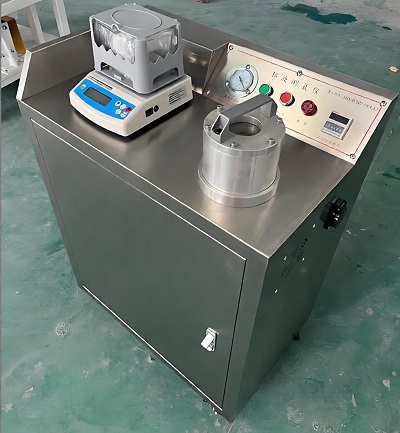
molten aluminum density meter
Alloying Errors — Small Mistakes, Big Problems
Alloying is not just adding the right elements. It is adding them in the right order, at the right temperature, with the right mixing.
Common mistakes I see:
Wrong weight. A 2% error in silicon addition changes the alloy grade.
Wrong order. Adding magnesium before degassing can cause violent reactions.
Poor mixing. The alloy sits at the bottom, and the top is pure aluminium.
Burning off. Adding reactive elements at too high a temperature.
I remember a foundry in India that produced ADC12. The silicon was low one day, high the next. The operator was adding silicon in chunks by hand. Some chunks sank. Some floated. The solution was simple: use a proper alloying basket and stir with a graphite rod. The variation dropped from 1.5% to 0.3%.
What to do: Weigh every addition. Use the correct alloying sequence. Stir gently but thoroughly. Check chemistry after each addition, not just at the end.
Contamination — The Hidden Quality Killer
Contamination comes from many sources: mixed scrap, dirty scrap, coated scrap, or even the furnace itself.
Mixed scrap. A batch of 6061 mixed with 7075 will give you an unpredictable alloy.
Iron contamination. Steel bolts, clips, or tools can dissolve into the melt. Iron increases hardness and reduces ductility.
Organic contamination. Paint, oil, or plastic coatings create porosity and dross.
Refractory contamination. Some refractories react with aluminium, introducing silicon or iron.
I once helped a foundry in Vietnam that had inconsistent hardness. The cause was a single steel bolt that had been left in a scrap bundle. It dissolved into the melt and raised the iron content by 0.4%. That was enough to fail the customer’s specification.
What to do: Inspect scrap before charging. Use a magnet to remove steel. Pre-dry and pre-clean scrap. Use a refractory that is compatible with aluminium. Check iron content regularly.
Fluxing and Degassing — Don’t Skip Them
Fluxing removes oxides and helps separate metal from dross. Degassing removes hydrogen, which causes porosity. If you skip these steps, or do them poorly, your quality will vary.
Common problems:
Too little flux. Oxides remain in the melt.
Too much flux. Flux inclusions cause casting defects.
Wrong flux. Some fluxes add sodium or calcium, which affect alloy properties.
Poor degassing. Hydrogen stays in the melt. Porosity appears in the casting.
Wet degassing lance. Moisture introduces hydrogen.
I visited a foundry in Thailand that had porosity in thick sections. They were degassing with a lance, but the lance was not preheated. Moisture from the lance went straight into the melt. We preheated the lance and increased degassing time. The porosity dropped by 80%.
What to do: Use the correct flux for your alloy. Degas with dry, preheated equipment. Measure hydrogen content if you can. For critical castings, use a rotary degasser.
Inconsistent Charge Material — Garbage In, Garbage Out
If your charge material varies, your melt quality will vary. This is simple physics.
Different scrap grades. Mixed scrap gives mixed chemistry.
Different coating thickness. More coating means more dross and gas.
Different charge size. Large chunks melt slowly. Small chips burn off.
Different moisture. Wet scrap causes explosions and hydrogen pickup.
A foundry in the UK had a customer complaint about inconsistent fluidity. The charge was a mix of ingot and scrap. The scrap ratio varied from 20% to 60% depending on what was available. We set a fixed charge recipe: 50% ingot, 50% clean scrap. The fluidity became consistent.
What to do: Standardise your charge mix. Weigh each component. Keep scrap types separate. Pre-dry all scrap.
Measurement and Sampling — Are You Testing Correctly?
Sometimes the melt is fine. The measurement is wrong.
Wrong sample location. Taking a sample from the top gives different chemistry than the bottom.
Dirty sample mould. Contamination from a previous sample.
Uncalibrated spectrometer. A drift of 0.2% silicon is enough to fail.
Late sample. The metal has already changed by the time you test.
I once saw a foundry in Indonesia that was ready to scrap a whole heat because the spectrometer reading was out of spec. We retested with a fresh sample from the middle of the bath. The chemistry was perfect. The original sample had been taken from the dross layer.
What to do: Take samples from the same location every time. Use a clean, preheated mould. Calibrate the spectrometer daily. Test before you pour, not after.
A Real Case from India
In 2022, a die casting plant in Pune had inconsistent melt quality for three months. They had checked temperature, alloying, and fluxing. Nothing worked.
I spent two days on site. The furnace was a gas-fired reverberatory. The melt was good in the morning. By afternoon, the quality dropped. The operator was adding scrap without adjusting the burner. As the bath level rose, the flame was hitting the metal directly. Local overheating caused oxidation and hydrogen pickup.
We changed the charging practice: add scrap in smaller batches, adjust the burner as the level rises, and keep the flame off the bath. The inconsistency disappeared. The fix cost nothing but training.
A Simple Checklist for Consistent Melt Quality
- Hold temperature within ±5°C.
- Weigh every alloy addition.
- Inspect and clean scrap before charging.
- Use the right flux, in the right amount.
- Degas with dry, preheated equipment.
- Standardise your charge mix.
- Take samples from the same location every time.
- Calibrate your spectrometer daily.
- Train operators on correct procedure.
- Record everything. Look for patterns.
When to Call a Professional
Some issues you can fix yourself: adjusting temperature, retraining operators, improving sampling. Others require expert help: alloy chemistry problems, refractory selection, advanced degassing. If you have tried the basics and the problem persists, call a metallurgist or a furnace specialist.
Final Thoughts
Inconsistent melt quality is not a mystery. It is a symptom. Find the cause, fix it, and your quality will stabilise.
In my experience, 80% of inconsistency comes from three things: temperature variation, alloying errors, and contamination. Check those first. Then look at fluxing and charge material.
And remember: the best quality control is prevention. A good maintenance checklist and a disciplined charging practice will prevent most of these problems before they happen.
Internal links: How to Reduce Oxidation Loss in Aluminium Melting Operations, Furnace Maintenance Checklist, Why Does My Aluminium Furnace Keep Shutting Down?
About the Author: Hu Shenyue is a veteran aluminium melting furnace expert with 25 years of hands-on experience in China, Southeast Asia, India, the UK, and Europe. He writes practical, experience-based content on furnace selection, maintenance, and optimisation at SmeltPro.