

In early 2024, I received a call from a recycling plant manager in Guangdong Province. His plant processes mixed aluminium scrap into ADC12 ingots for the automotive and appliance markets. His metal recovery rate had fallen to 84%. That meant 16% of every tonne of scrap was going to dross, salt slag, or oxidation loss. With 25 tonnes per day of throughput, he was losing 4 tonnes of metal every day. At $2,500 per tonne, that was $10,000 per day — over $3 million per year.
He told me: “We have tried everything. We changed the flux. We changed the skimming tool. We changed the operators. Nothing works. We need help.”
I spent five days on site. We did not buy a new furnace. We did not change the alloy. We optimised the process. By the end of the following month, metal recovery had improved to 93%. The annual saving was over $2.1 million.
This is how we did it.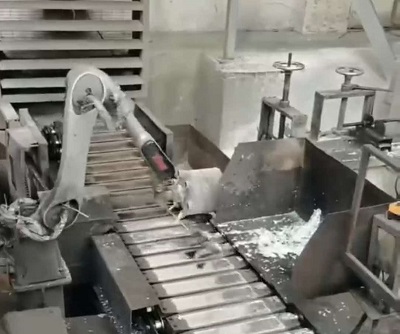
The Starting Point: 84% Metal Recovery
The plant operates a 5-tonne gas-fired tilting rotary furnace feeding an ingot casting line. They melt around 25 tonnes per day of mixed scrap — UBC, extrusion offcuts, turnings, and some contaminated post-consumer material.
The problems were visible from the first day:
| Issue | Measurement | Impact |
|---|---|---|
| Metal recovery | 84% | 4 tonnes lost per day |
| Dross metal content | 46% | High metal loss in dross |
| Salt factor | 1.1 | High salt consumption, high slag volume |
| Melt temperature | 780°C | Excessive oxidation |
| Skimming frequency | Every 20 minutes | Metal lost with each skim |
| Scrap storage | Outdoors, uncovered | Wet scrap, moisture pickup |
The plant manager told me they had been running the furnace at 780°C because “it melts faster.” Yes, it melts faster. But it also oxidises faster. And the dross metal content was proof.
Step 1: Diagnosing the Root Cause
I started with a full process audit.
Temperature measurement: The furnace was set to 780°C. For ADC12, the recommended melt temperature is 700–730°C. Every 10°C above 750°C increases oxidation loss by 5–10%. Running 50°C too hot was the single biggest cause of metal loss.
Skimming practice: Operators were skimming every 20 minutes. Each skim removed a thick layer of dross, and that dross contained 46% metal. They were literally throwing away metal with every skim.
Salt factor: The salt factor was 1.1. For a tilting rotary furnace, the salt factor can be as low as 0.4–0.8. They were using more salt than necessary, which increased slag volume and metal entrapment.
Scrap storage: Scrap was stored outdoors. After rain, it was charged wet. Moisture causes steam explosions, thermal shock, and hydrogen pickup. It also increases oxidation loss.
Burner tuning: The burner was running at 7.8% oxygen. Too much excess air. The flame was lazy and yellow. Gas consumption was high.
The root cause was clear: the furnace was running too hot, skimming too often, using too much salt, and charging wet scrap. All four could be fixed without new equipment.
Step 2: Lower Melt Temperature
We lowered the furnace setpoint from 780°C to 720°C. The operators were sceptical. They thought melt time would increase.
It did not. Because we also tuned the burner. The burner was running with 7.8% oxygen. We adjusted it to 3.2%. The flame became shorter and more intense. Melt time actually decreased by 8 minutes per cycle.
The lower temperature reduced oxidation loss immediately. The dross metal content began to fall.
I have written about how to reduce metal loss in secondary aluminium melting. The principles apply to every furnace and every alloy.
Step 3: Change Skimming Practice
We changed the skimming frequency from every 20 minutes to every 45 minutes. We also changed the skimming tool. Instead of a solid rake, we used a perforated skimming tool that drains metal back into the furnace.
The operators were resistant at first. They thought more dross would build up. But the dross layer stabilised. The furnace ran cleaner. And the metal content in the dross dropped from 46% to 28%.
We also installed a dross press. The press squeezes residual metal from the dross. That metal goes back into the furnace. The dross press cost $12,000. It paid for itself in three weeks.
Step 4: Optimise Salt Flux
We reduced the salt factor from 1.1 to 0.7. The tilting rotary furnace can handle a lower salt factor because the tilting action mixes the salt and metal more efficiently.
The result: salt consumption dropped by 36%. Salt slag volume dropped by 30%. Metal recovery improved because less metal was trapped in the slag.
We also changed the salt composition. The original salt was a standard NaCl-KCl mix. We switched to a composition with a higher cryolite content. The cryolite helps strip oxides from the metal surface, improving recovery.
Step 5: Pre-Dry Scrap
We built a covered drying rack next to the furnace. Scrap is now stored under cover and pre-dried before charging. We also installed a simple scrap preheater using waste heat from the furnace exhaust. The preheater raises scrap temperature to 200–250°C, driving off moisture.
The result: no more wet charging. No more steam explosions. Less hydrogen pickup. Less oxidation.
I have written about how to improve heat transfer efficiency in a rotary furnace. The principles apply to preheating as well.
Step 6: Tune the Burner and Recover Heat
We tuned the burner to 3.2% oxygen. We cleaned the recuperator, which had not been cleaned in two years. Combustion air preheat rose from 150°C to 320°C.
The result: gas consumption dropped by 18%. The furnace reached setpoint faster. The lower oxygen level reduced oxidation.
We also installed a simple oxygen trim system. The cost was $4,500. The payback was under two months.
Step 7: Train Operators and Measure Everything
We trained all operators on the new procedures:
- Target melt temperature: 720°C
- Skimming frequency: every 45 minutes
- Salt factor: 0.7
- Scrap must be dry before charging
- Burner oxygen: 3.2%
We also started measuring metal recovery every day. We weigh the metal charged and the metal poured. We weigh the dross and estimate metal content. We track recovery per shift.
The operators now see the results of their work. When recovery goes up, they know why. When it goes down, they know what to check.
The Results After One Month
| Metric | Before | After | Improvement |
|---|---|---|---|
| Metal recovery | 84% | 93% | 9% improvement |
| Dross metal content | 46% | 28% | 18% reduction |
| Salt factor | 1.1 | 0.7 | 36% reduction |
| Melt temperature | 780°C | 720°C | 60°C lower |
| Energy consumption | 910 kWh/t | 746 kWh/t | 18% reduction |
| Annual metal savings | — | $2,100,000 | — |
| Investment | — | $18,500 | Payback: 3.2 weeks |
The plant manager was stunned. He had been ready to buy a new furnace. He didn’t need one. He needed to fix the process.
What Made the Difference
Three things drove the improvement:
1. Lower melt temperature. Reducing from 780°C to 720°C cut oxidation loss immediately. This was the single biggest win.
2. Better skimming practice. Skimming less often and using a dross press recovered metal that was previously thrown away.
3. Lower salt factor. Reducing salt consumption from 1.1 to 0.7 reduced slag volume and metal entrapment.
I have written about how to reduce metal loss in secondary aluminium melting and how to choose a secondary aluminium melting furnace. Both are directly relevant to this case.
What You Can Apply
If you operate an aluminium recycling plant, ask yourself these questions:
What is your melt temperature? If it is above 730°C for ADC12, you are losing metal.
How often do you skim? If it is more than every 30 minutes, you are losing metal.
What is the metal content of your dross? If it is above 30%, you are losing money.
What is your salt factor? If it is above 0.8 for a tilting rotary furnace, you are using too much salt.
Is your scrap dry? If it is stored outdoors, it is wet.
When did you last tune your burner? If it was more than six months ago, you are wasting gas.
These are not theoretical. They are the minimum requirements for efficient secondary aluminium melting. I have seen plants in China, Malaysia, Vietnam, and India fail because they ignored one of these.
When to Call an Expert
You can measure these things yourself. A pyrometer, a scale, and a stopwatch will tell you most of what you need to know. But sometimes an experienced eye sees the system, not just the components.
The Guangdong plant had a competent maintenance team. They had kept the furnace running for years. But they had never been trained on metal balance or salt factor optimisation. They did not know what they did not know.
My fee for the five-day audit and commissioning support was $11,000. The annual saving was $2.1 million. That is a 190x return.
If your metal recovery is below 88%, or your dross metal content is above 30%, call someone. Or use the checklists on this blog. Either way, do not wait.
Final Thoughts
Improving metal recovery in a secondary aluminium plant is not about buying a new furnace. It is about controlling temperature, skimming practice, salt flux, and charge moisture.
In my 25 years, I have seen plants recover millions by making small changes to their process. The furnace did not change. The people did.
If you run a recycling plant, start by measuring your metal recovery and dross metal content. If either is out of specification, fix it. You will see the difference in your profit.
Internal links: How to Reduce Metal Loss in Secondary Aluminium Melting for Ingot Production, How to Improve Heat Transfer Efficiency in a Rotary Furnace, How to Choose a Secondary Aluminium Melting Furnace for Ingot Production
About the Author: Hu Shenyue is a veteran aluminium melting furnace expert with 25 years of hands-on experience in China, Southeast Asia, India, the UK, and Europe. He writes practical, experience-based content on furnace selection, maintenance, and optimisation at SmeltPro.