

Daily, weekly, and monthly maintenance checklist for aluminium melting furnaces. Based on 25 years of foundry experience. Reduce downtime and extend furnace life.
A good maintenance checklist is not a piece of paper. It’s a habit. It prevents small problems from becoming expensive failures.
I’ve seen foundries that run 20-year-old furnaces with almost no downtime. I’ve also seen new furnaces fail within months. The difference is almost always maintenance.
Here is the checklist I use and teach, based on 25 years of field experience.
Daily Checklist
Do these before every shift.
- Check metal level in the furnace. Never overfill.
- Inspect burner flame. It should be steady and blue. Yellow flame means incomplete combustion.
- Listen for unusual noises. Grinding, humming, or knocking indicates a problem.
- Check temperature reading. Compare with a handheld pyrometer once a week.
- Look for leaks. Molten aluminium leaks are dangerous. Check seals and tap holes.
- Clean the work area. Spilled metal and dross cause accidents.
- Record data. Log temperature, energy use, and any issues. This helps spot trends.
Weekly Checklist
- Clean burner nozzles. Carbon buildup reduces efficiency.
- Inspect refractory lining for cracks or wear. Small cracks grow fast.
- Check exhaust system. Blockages increase energy consumption.
- Test safety interlocks. Ensure they work.
- Inspect crucible or lining for signs of thinning.
- Check hydraulic systems for leaks or low oil.
- Review error logs on the control panel.
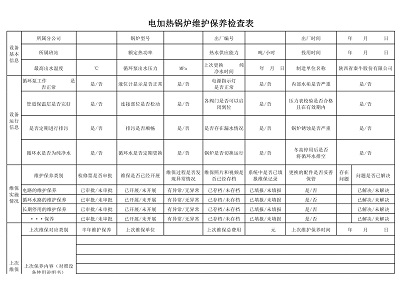
Monthly Checklist
- Calibrate thermocouples. A 10°C error can ruin your melt.
- Inspect and clean heat recovery system if you have one.
- Check electrical connections. Loose wires cause fires.
- Test emergency shutdown. Make sure everyone knows the procedure.
- Analyse energy consumption. Compare with previous months.
- Inspect refractory in high-wear areas. Use a thermal camera if available.
- Replace worn spare parts before they fail.
Annual Checklist
- Full refractory inspection. Plan for relining if needed.
- Replace thermocouples and sensors as recommended.
- Overhaul burners. Replace nozzles and clean all passages.
- Test all safety systems. Including gas leak detectors and alarms.
- Review maintenance records. Identify recurring problems.
- Train operators on new procedures or equipment.
- Evaluate furnace performance. Is it still meeting your needs?
A Real Case from the UK
In 2020, a foundry in Birmingham, UK, had a 5-year-old reverberatory furnace. They were doing daily checks but skipping weekly maintenance.
One Friday, the burner failed. Production stopped for 18 hours. The cause: carbon buildup on the nozzle. A 15-minute weekly cleaning would have prevented it.
We introduced a simple weekly checklist. The next year, unplanned downtime dropped by 70%. The maintenance cost was almost nothing.
Common Mistakes to Avoid
- Only fixing problems when they happen. Reactive maintenance is expensive.
- Ignoring small leaks. They get bigger.
- Skipping calibration. Wrong temperature means wrong quality.
- Not recording data. Without data, you can’t improve.
- Letting operators skip checks. Make it part of the culture.
How to Implement a Maintenance Checklist
- Start simple. A one-page daily checklist is better than a 20-page manual nobody reads.
- Involve operators. They know the furnace best.
- Assign responsibility. Someone must own each task.
- Review weekly. Adjust as needed.
- Celebrate success. When downtime drops, recognise the team.
Final Thoughts
Maintenance is not a cost. It’s an investment. A well-maintained furnace lasts longer, uses less energy, and produces better metal. It also keeps your people safe.
Use this checklist as a starting point. Adapt it to your furnace type and production schedule. And remember: the best maintenance plan is the one you actually follow.
Internal links: How to Choose the Right Crucible for Your Aluminium Melting Furnace.
About the Author: Hu Shenyue is a veteran aluminium melting furnace expert with 25 years of hands-on experience in China, Southeast Asia, India, the UK, and Europe. He writes practical, experience-based content on furnace selection, maintenance, and optimisation at SmeltPro.