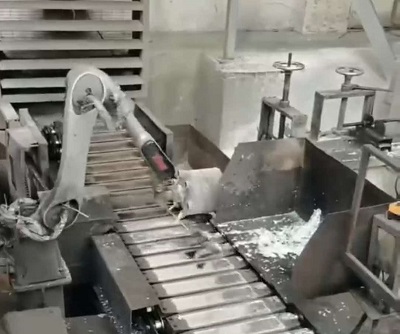
Dross is not just waste. It is metal you paid for and did not recover. Every kilogram of dross that leaves your furnace contains 20–50% aluminium. On a die casting line melting 5 tonnes per day, a 3% dross rate means 150 kg of dross per day. At 30% metal content, that is 45 kg of lost metal every day. Over a year, it is 16 tonnes. At $2,500 per tonne, it is $40,000.
I have spent 25 years working with aluminium die casting furnaces in China, Southeast Asia, India, Europe, and North America. I have seen plants with dross rates as low as 1.5% and as high as 6%. The difference is not the alloy. It is the furnace and how you operate it.
This article tells you what to look for when selecting a die casting furnace that reduces dross formation. Not the marketing claims. The specifications that actually matter.
Why Dross Forms
Dross is aluminium oxide. It forms when molten aluminium meets oxygen. The rate of formation depends on:
| Factor | Effect on Dross |
|---|---|
| Temperature | Higher temperature = more dross |
| Exposure time | Longer exposure = more dross |
| Surface area | Larger surface = more dross |
| Atmosphere | More oxygen = more dross |
| Turbulence | More stirring = more dross |
| Alloy composition | Magnesium and sodium increase dross |
The furnace you select determines how well you can control these factors.
Specification 1: Temperature Control
Temperature is the single biggest factor in dross formation. Every 10°C above the minimum required temperature increases oxidation loss by 5–10%.
For ADC12 die casting, the holding furnace should be at 660–680°C. For A380, 680–700°C. Running hotter than necessary is the most common cause of excessive dross.
What to look for:
| Feature | Specification | Why It Matters |
|---|---|---|
| Temperature stability | ±3°C or better | Prevents hot spots that accelerate oxidation |
| Heating system | Electric resistance or induction | Precise control, no flame impingement |
| Thermocouples | Minimum 2, positioned in bath | Accurate temperature representation |
| Control system | PID with auto-tune | Prevents overshoot |
| Setpoint range | Alloy-specific recipes | Quick changeover without temperature drift |
I have written about how to optimise die casting furnace temperature for A380 and ADC12 alloys. Temperature control is the first step in dross reduction.
Specification 2: Atmosphere Control
Oxygen in the furnace atmosphere is the fuel for dross formation. A furnace that allows air infiltration will produce more dross than one that is sealed and blanketed.
What to look for:
| Feature | Specification | Why It Matters |
|---|---|---|
| Sealed chamber | Gas-tight lid and door seals | Prevents air infiltration |
| Inert gas blanket | Argon or nitrogen option | Displaces oxygen |
| Oxygen monitoring | Continuous O₂ measurement | Proves atmosphere control |
| Pressure control | Slight positive pressure | Keeps air out |
| Exhaust control | Controlled, not open | Reduces heat loss and air ingress |
A foundry in Guangdong that sealed their holding furnace and added nitrogen blanketing reduced dross formation by 35%. The investment was $6,500. The payback was under two months.
Specification 3: Refractory Selection
The refractory lining affects dross formation in two ways. First, a rough or reactive lining can promote oxide adhesion. Second, some refractories react with aluminium to form spinel, which becomes part of the dross.
What to look for:
| Feature | Specification | Why It Matters |
|---|---|---|
| Non-wetting refractory | High-purity alumina or equivalent | Prevents oxide adhesion |
| Low porosity | Dense castable | Reduces metal penetration |
| Smooth surface | Proper installation and curing | Easier dross removal |
| Spinel resistance | Specified by supplier | Prevents refractory reaction |
I have written about how to diagnose and repair furnace refractory cracking. Refractory condition affects dross formation.
Specification 4: Metal Transfer and Dosing
Every time metal is transferred or poured, it is exposed to air. A dosing system that minimises exposure reduces dross.
What to look for:
| Feature | Specification | Why It Matters |
|---|---|---|
| Sealed transfer | Covered launder or direct connection | Prevents air exposure |
| Short transfer distance | Under 3 metres | Minimises time and temperature loss |
| Heated launder | Maintains temperature | Prevents cold metal and oxide formation |
| Smooth transfer | Laminar flow, no splashing | Reduces turbulence and oxide |
| Dosing accuracy | ±1% for structural | Consistent shot weight, less overflow |
I have written about what to look for in a die casting furnace with dosing system. Dosing accuracy affects dross formation.
Specification 5: Skimming and Dross Removal
How the furnace allows skimming affects how much metal you lose with the dross.
What to look for:
| Feature | Specification | Why It Matters |
|---|---|---|
| Skimming access | Easy, safe access to bath surface | Efficient removal |
| Skimming tool | Perforated, drains metal back | Reduces metal loss |
| Dross quiescent zone | Designated area for dross accumulation | Easier removal |
| Dross press compatibility | Space and connections for dross press | Recovers metal from dross |
| Slag door | For larger furnaces | Efficient removal |
A foundry in Malaysia that installed a dross press reduced dross metal content from 44% to 26%. The press cost $12,000. It paid for itself in three weeks.
Specification 6: Furnace Type
Different furnace types have different dross formation tendencies.
| Furnace Type | Dross Tendency | Why |
|---|---|---|
| Crucible | Low to moderate | Metal not exposed to flame |
| Reverberatory | High | Large surface, flame impingement |
| Twin-chamber | Low to moderate | Melting chamber separate from holding |
| Tower/shaft | Low | Closed system, short exposure |
| Induction | Low | No flame, small surface |
| Electric resistance | Low | No combustion, controlled atmosphere |
For die casting, an electric holding furnace with inert gas blanketing produces the least dross. A gas-fired reverb furnace produces the most.
A Real Case from Guangdong
In 2024, a die casting plant in Guangdong was producing EV motor housings. Their dross rate was 4.2%. They were melting 5 tonnes per day. That was 210 kg of dross per day. At 35% metal content, they were losing 73 kg of metal every day. Over a year, that was 26 tonnes. At $2,500 per tonne, it was $65,000.
We evaluated their holding furnace. The problems were clear:
Temperature was running at 720°C instead of 680°C
The furnace lid was not sealed
No inert gas blanketing
Skimming every 20 minutes with a solid rake
We replaced the holding furnace with an electric dosing furnace. The new furnace had:
±3°C temperature stability
Sealed chamber with nitrogen blanketing
Perforated skimming tool
Dross press for slag processing
Results after one month:
| Metric | Before | After | Improvement |
|---|---|---|---|
| Dross rate | 4.2% | 1.8% | 57% reduction |
| Dross metal content | 35% | 22% | 13% reduction |
| Metal recovery | 85% | 92% | 7% improvement |
| Annual metal savings | — | $182,000 | — |
| Investment | — | $68,000 | Payback: 4.5 months |
The plant manager was stunned. He had been ready to accept the dross as unavoidable. He didn’t need to. He needed a better furnace and better practice.
A Simple Selection Checklist
Specify temperature stability: ±3°C or better.
Specify temperature range: 660–700°C depending on alloy.
Require sealed chamber with gas-tight lid and seals.
Require inert gas blanketing option.
Specify non-wetting refractory with low porosity.
Specify sealed, heated transfer launder.
Require dosing accuracy: ±1% for structural parts.
Require easy skimming access with perforated tool.
Include space and connections for dross press.
Consider electric holding furnace for lowest dross.
When to Call an Expert
You can evaluate a furnace yourself. But sometimes an experienced eye sees what you miss. The Guangdong plant had a competent team. They had run die casting machines for years. But they had never analysed dross formation or selected a low-dross furnace.
My fee for the three-day audit and selection support was $9,500. The annual saving was $182,000. That is a 19x return.
If your dross rate is above 2.5%, call someone. Or use the checklists on this blog. Either way, do not wait.
Final Thoughts
Selecting a die casting furnace that reduces dross formation is not about buying the most expensive furnace. It is about matching the furnace to the requirement: temperature control, atmosphere control, refractory selection, transfer design, and skimming access.
In my 25 years, I have seen plants reduce dross from 5% to 1.5% by selecting the right furnace and operating it properly. The alloy did not change. The furnace did.
If you run a die casting plant, start by measuring your dross rate and dross metal content. If either is out of specification, fix it. You will see the difference in your metal recovery.
About the Author: Hu Shenyue is a veteran aluminium melting furnace expert with 25 years of hands-on experience in China, Southeast Asia, India, the UK, Europe, and North America. He writes practical, experience-based content on furnace selection, maintenance, and optimisation at SmeltPro.
Internal links: How to Optimize Die Casting Furnace Temperature for A380 and ADC12 Alloys, What to Look for in a Die Casting Furnace with Dosing System, How to Select a Holding Furnace for Your Die Casting Line, How to Reduce Gas Porosity in Die Casting Aluminium Melts, How to Achieve Consistent Melt Temperature in a Holding Furnace.